The Modern Charm of Famous History
What Exactly is Famous History?
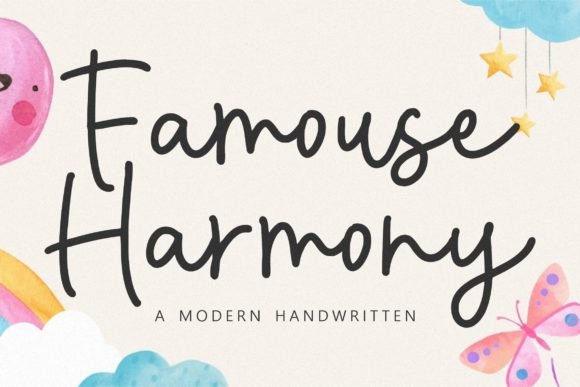
In a digital world often dominated by sharp, geometric sans serif font choices, there is a growing desire for designs that feel personal and human. Famous History answers that call as a modern monoline handwritten typeface. It bridges the gap between casual scrawl and professional typography. As a premium font, it is not just a collection of letters; it is a tool for storytelling. The defining characteristic here is the "monoline" aspect. Unlike traditional calligraphy where pressure changes create thick and thin strokes, this script font maintains a consistent line width throughout every curve and connection. This creates a look that is incredibly clean, airy, and legible.
The visual personality of Famous History is one of quiet confidence. It does not scream for attention like a heavy display font, nor is it as cold as a standard corporate typeface. Instead, it offers a fluid motion that mimics natural handwriting. The strokes are delicate but distinct, avoiding the messy look that some handwritten font options fall into. For brand identity designers, this font represents the sweet spot between "effortless" and "intentional." It feels like a love letter written in perfect light penmanship, evoking a sense of timeless beauty without feeling antiquated.
Practical Applications: Where Famous History Shines
Understanding a font’s visual style is one thing; knowing where to deploy it is where the real strategy comes in. Famous History is a versatile creative font, but its specific strengths lie in projects that require an emotional connection.
Branding and Logo Design
For entrepreneurs and small business owners, a logo is the face of the company. Famous History works exceptionally well for brands that want to appear approachable and authentic. Think of boutique bakeries, lifestyle coaches, wedding photographers, or high-end artisan goods. When used for logo design, the monoline structure ensures the logo remains scalable. Unlike heavy script fonts that can fill in when shrunk down, the consistent stroke width of Famous History keeps the wordmark clear on everything from a favicon to a storefront sign.
Packaging and Product Design
In packaging design, typography guides the consumer’s eye. Using Famous History for product names or taglines can instantly elevate a shelf presence. It suggests that the product inside is curated and special. For example, a cosmetics brand might use this font to convey elegance and softness, while a gourmet food brand might use it to suggest homemade quality. It pairs beautifully with minimalist serif font choices for the smaller legal text or ingredient lists, creating a balanced visual hierarchy.
Digital Presence and Web Design
When it comes to web design and social media graphics, readability is king. This is where the "modern" aspect of Famous History is most beneficial. Older script fonts often fail on screens due to pixelation or complex ligatures. However, this modern typography example is optimized for digital environments. It is excellent for Instagram quotes, Pinterest pins, and website headers. It draws the reader in without causing eye strain. However, as a best practice, avoid using this—or any handwritten font—for long blocks of body copy. It is meant for headlines, pull quotes, and accents to maintain that visual hierarchy.
Strategic Typography: Influence on Brand Perception
Typography is psychology. The fonts you choose tell your audience how to feel about your brand before they read a single word of the copy. Choosing Famous History signals a specific set of values: warmth, creativity, and attention to detail.
Consistency and Professionalism
One of the biggest challenges in modern typography is maintaining consistency across different mediums. Because Famous History is a high-quality commercial font, it includes the technical refinements necessary to look professional everywhere. It avoids the "amateur" look often associated with free, low-quality script fonts. When a brand uses a polished script font like this consistently—from email newsletters to PDF guides—it builds recognition. The audience begins to associate that specific flowing style with your content.
Font Pairing: The Art of Combination
No font is an island. To get the most out of Famous History, you need to pair it correctly. Because it is a light, monoline style, it pairs best with fonts that provide weight and structure. A classic combination is Famous History combined with a sturdy serif font for body text (like Georgia or a modern alternative) to evoke a classic, editorial feel. Alternatively, pairing it with a clean, geometric sans serif font (like Montserrat or Lato) creates a fresh, contemporary contrast. The key is to let the Famous History font be the star of the headline while the supporting font handles the heavy lifting of the paragraphs.
Implementation Guide for Creatives
For designers, marketers, and content creators looking to integrate this asset into their toolkit, here is a practical approach to evaluating and using Famous History.
- Evaluate the Context: Before applying the font, look at your content. Is it serious and corporate, or personal and creative? Famous History leans heavily toward the latter. It is perfect for editorial design regarding lifestyle, travel, or fashion, but might feel out of place in a legal contract or a heavy financial report.
- Check the Glyphs: A good premium font usually comes with alternates and ligatures. Check if Famous History offers different versions of letters (like a fancy 'g' or 't'). Using these variations prevents repetition in longer words and makes the typography look more like genuine handwriting.
- Readability Testing: Always test the font at the size you intend to use it. While it is legible for a script font, check the spacing (kerning) between tricky letter combinations like "ol" or "be" to ensure the flow isn't disrupted.
- Licensing: Ensure you have the correct license for your usage. If you are using Famous History for logo design for a client or on merchandise for sale, you typically need an extended commercial license. Always verify the terms to protect your business and your client.
Ultimately, Famous History is more than just a design asset; it is a stylistic choice that prioritizes human connection. By leveraging its clean monoline structure, you can add a layer of sophistication and charm to your projects that feels both timeless and distinctly modern. Whether you are designing a wedding invitation or building a brand identity for a new startup, this font offers the flexibility and elegance required to do the job right.